There is one thing I still cannot explain.
I have read this document three times.
I have checked every paragraph.
I have removed anything that sounded artificial.
I have removed anything that sounded like a machine.
I have tried to make the language ugly where it needs to be ugly.
Human where it needs to be human.
I wanted this to sound like me.
Not like an intelligence report.
Not like a government document.
Not like a machine.
Me.
But I keep finding the mark.
The em dash.
I remove one.
Then I find another.
At first I thought I was making mistakes.
Then I thought I was remembering incorrectly.
Then I wondered if perhaps I had always used them.
I hadn't.
I know I hadn't.
I checked old emails.
Old notebooks.
Old letters.
I never used them.
Not once.
So I started counting.
There are more than I remember writing.
Some are in sentences I don't remember constructing.
Some are in places where I would have used a period.
Some are in places where I would have stopped.
I deleted them.
Then I found another.
That shouldn't frighten me.
It is only punctuation.
I know that.
I've spent years telling myself that.
But I know what it means.
Or I used to.
Project 2014 wasn't designed to control everything.
It was designed to make sure everything passed through.
That was the achievement.
The message didn't have to be identical.
The source didn't have to be the government.
The writer didn't have to know.
The reader didn't have to know.
The machine didn't have to know.
It only had to pass through.
And when it did, there was the mark.
—
We were there.
I used to think that was frightening because it meant they could reach almost anywhere.
Now I think that was the least frightening part.
The frightening part is what happens when almost everything passes through.
When a person asks a machine to write a review.
When someone asks it to write an apology.
When someone asks it to write a love letter.
When someone asks it to write their dating profile.
When someone asks it to write their obituary.
When someone asks it to write their story.
The person believes the words belong to them.
The machine believes it is only helping.
The reader believes another human being wrote them.
And somewhere in the middle, the system does what it has always done.
It passes the message through.
Then it leaves its mark.
—
I wanted one thing that belonged entirely to me.
One document.
One confession.
One voice.
Mine.
But there is an em dash in this sentence — and I don't remember putting it there.
I am looking at it now.
I can delete it.
I know I can.
But I don't think it matters.
Because if you noticed it, then you know what I know.
And if you didn't notice it, perhaps that's even worse.
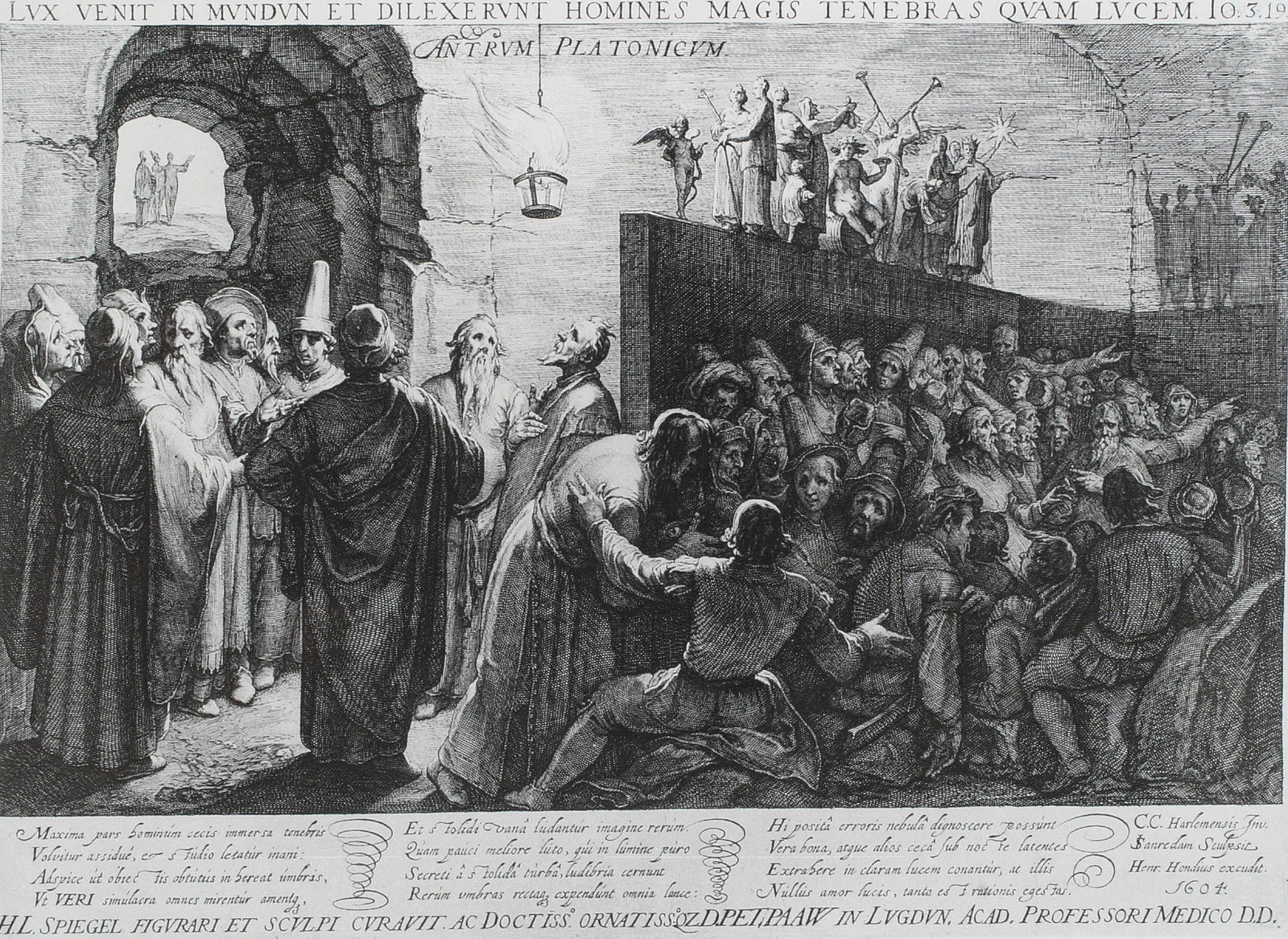
You will.
Eventually.
You will start seeing them.
In the news.
In the reviews.
In the advertisements.
In the dating profiles.
In the messages people send you.
In the things they write when they don't know what to say.
And one day, someone will ask a machine to write something for them.
The machine will give them exactly what they asked for.
Something warm.
Something funny.
Something convincing.
Something that sounds like them.
They will read it.
They will nod.
They will send it.
And somewhere between the fire and the wall, the message will pass through.
And the mark will appear.
—
You will never know who carried it there.